
Add Row
Add Element
cropper
update
update
Add Element
  • Home
  • Categories
    • AI News
    • Company Spotlights
    • AI at Word
    • Smart Tech & Tools
    • AI in Life
    • Ethics
    • Law & Policy
    • AI in Action
    • Learning AI
    • Voices & Visionaries
    • Start-ups & Capital
October 16.2025
2 Minutes Read

Ke Yang's Move to Meta: What It Means for AI Developers and Apple

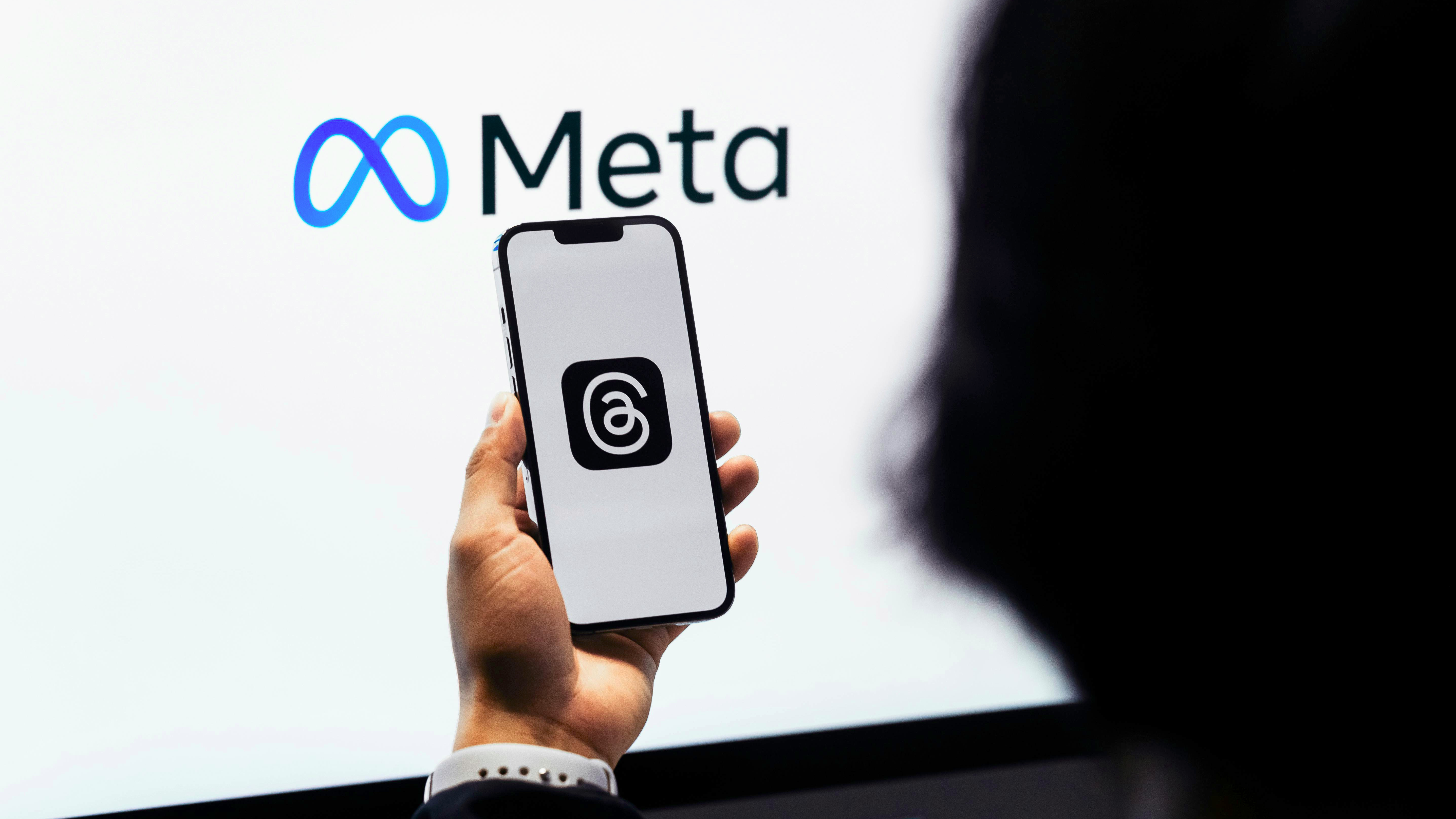
Person using smartphone in tech store, message displayed.


Ke Yang's Departure Signals Ongoing AI Talent Exodus at Apple

In a notable shift within Apple's artificial intelligence (AI) division, Ke Yang, who was recently appointed head of the Answers, Knowledge, and Information (AKI) team, is stepping down to join Meta Platforms Inc. This marks yet another high-profile exit from Apple's AI segment, raising questions about the future of the company's AI initiatives.

Implications of Yang's Exit for Apple's AI Vision

Yang's departure comes just weeks after he took the helm of a team that aims to enhance Siri's capabilities, making it more ChatGPT-like by enabling the voice assistant to retrieve live data from the web. With the group scheduled to release new features by March 2026, including managing personal data and handling complex queries, Yang's exit raises concerns about the project's stability and timeline.

Leading the Charge: The Broader Context of AI Talent Migration

This trend of executives leaving Apple for competitors like Meta and OpenAI reflects a notable "brain drain" impacting the company. Over the past year, several pivotal figures, including Ruoming Pang and Robby Walker, have departed, leading to a significant reshuffle in leadership. These shifts may hinder Apple's competitive edge, especially as firms like OpenAI and Google accelerate their AI and machine learning innovations.

What Does Yang's Move Mean for AI Development?

Yang's transition to Meta aligns with the company's aggressive push to bolster its AI capabilities, having previously snatched several of Apple's AI experts. This wave of recruitment illustrates a growing trend of talent seeking opportunities in companies that exhibit strong investments in AI development, particularly for generative AI and related projects. As Apple strives to catch up with its rivals, understanding this migration of talent and its implications can guide stakeholders in anticipating key developments in the AI landscape.

Future Predictions: What's Next for Apple's AI Roadmap?

With Yang's exit, questions loom large over who will now lead the AKI team and steer Apple's efforts to enhance its AI offerings. As the competitive landscape evolves, Apple must quickly identify and integrate new leadership if it aims to maintain relevance in the AI domain. Strategies focusing on retaining talent, fostering innovation, and overcoming past missteps will be crucial for restoring confidence in Apple's AI trajectory.

The ongoing transitions within Apple's AI department could serve as a pivotal lesson for organizations aiming to develop robust AI solutions that stand the test of fierce competition. Awareness of these dynamics is essential for developers, engineers, and IT teams looking to navigate the complex and rapidly evolving AI landscape.

If you are interested in the future of AI developments and want to learn more about the tools and insights shaping this field, stay connected with the latest news and updates.


Smart Tech & Tools

Write A Comment

*
*
Please complete the captcha to submit your comment.
Related Posts All Posts
04.07.2026

Is Bluesky's Server Status Affecting AI Development Tools?

Update Understanding Bluesky's Current Status: Insights for Developers and IT Professionals The decentralized social platform Bluesky has recently encountered server reliability issues, raising concerns among users and developers alike. This microblogging service relies on AT Protocol architecture to provide a seamless social media experience, but reports of downtime are becoming more frequent. For developers, IT teams, and system architects focused on service reliability and user engagement, staying informed about these fluctuations is essential. Crucial Uptime Statistics to Monitor In recent assessments, Bluesky has maintained an overall uptime of 99.992% over the past 90 days, indicating a generally stable service. However, a closer look at specific health checks reveals fluctuations in certain network components. For instance, the api.pop1.bsky.app consistently reports uptime around 99.995%, while other services like blusher.us-east.host.bsky.network/xrpc/_health have varied, with last reported uptimes reaching as low as 99.863%. Understanding these statistics is vital for teams considering integrations with Bluesky and utilizing their services in applications powered by AI or machine learning. The Concerns Behind User Experience Reports Leveraging insights from current user reports presented by Downdetector, approximately 49% of recent complaints are attributed to app functionality, with others focusing on feed loading delays and website accessibility issues. These disruptions can significantly impact user experience and, by extension, enterprise applications relying on Bluesky for social engagement. AI developers should take note of these trends, as ongoing issues may influence the integration of AI-driven tools such as chatbots or social insights powered by generative AI technologies. Future Predictions for Bluesky's Performance Looking forward, Bluesky needs to focus on enhancing its infrastructure to prevent future outages and improve service reliability. As more apps pivot to utilize decentralized networks, achieving stable operation will be crucial for its adoption in AI development landscapes. With the growing number of AI platforms and tools—like TensorFlow, PyTorch, and various LLMs—developers should remain alert to how Bluesky's performance may affect workflows in data science and machine learning environments. Actionable Insights for IT and Development Teams To mitigate the impact of potential outages and ensure smooth integrations with Bluesky, developers and engineers should implement robust failover strategies and have contingency plans. This might involve utilizing alternative APIs or prepping backup systems that can handle social media engagements during downtimes. Such practices will be instrumental in maintaining operational continuity in their AI solutions and ensuring consistent user experiences. In summary, keeping tabs on Bluesky’s performance and user issues serves as a pivotal knowledge base for IT teams and developers working with or on social media applications. Understanding these nuances will empower professionals to leverage AI solutions more effectively in engaging with users and enhancing overall service reliability.

04.06.2026

How AI Can Transform Employee Onboarding with Amazon Quick

Update Revolutionizing Employee Onboarding with AI In an era where efficiency is paramount, organizations are increasingly turning to artificial intelligence (AI) as a solution to streamline the onboarding process for new employees. A prime example is Amazon Quick, a platform designed to create intelligent onboarding agents that enhance the recruitment experience. These agents help HR teams save time and ensure that new hires receive consistent information aligned with company policies. Transforming HR Processes Employers often struggle with the manual burdens of onboarding, from processing paperwork to addressing routine queries. As teams grow, onboarding becomes complex, leading to lost productivity and inconsistencies. Amazon Quick aims to mitigate these challenges by allowing HR departments to build no-code agents that can respond to frequently asked questions, automate ticketing, and track compliance using existing HR systems. Key Features of Amazon Quick The integration of AI in onboarding processes offers several key advantages. Amazon Quick not only organizes knowledge bases that index information from various sources like SharePoint and internal databases but also allows for action connectors that enable agents to perform real tasks. This means new hires can request IT resources or send welcome messages without navigating through multiple platforms, thereby simplifying the onboarding journey. Empowering HR Teams Building a custom HR onboarding agent on Amazon Quick involves a few essential steps: Create the Chat Agent: Utilize Quick's intuitive interface to define the agent's capabilities. Integrate HR Systems: Ensure your agent connects with existing HR tools for effective information retrieval. Test with Real Queries: Gauge the responsiveness of the agent by simulating real-life onboarding questions. This structured approach allows HR teams to focus more on strategic initiatives rather than getting bogged down in administrative tasks. Conclusion By adopting AI-powered onboarding agents like those offered by Amazon Quick, organizations can redefine their employee onboarding experience. The potential to save time, cut costs, and maintain compliance while providing new hires with immediate access to vital information positions AI as a pivotal player in HR transformation. As the business landscape evolves, the integration of thoughtful AI solutions can help create a workplace where productivity thrives from the very first day.

04.05.2026

How the WGA's New Four-Year Deal Influences AI and Writers' Rights

The WGA new deal with studios focuses on AI regulations, health fund stability, ensuring fair treatment for writers amid evolving industry challenges.

Terms of Service

Privacy Policy

Core Modal Title

Sorry, no results found

You Might Find These Articles Interesting

T
Please Check Your Email
We Will Be Following Up Shortly
*
*
*